

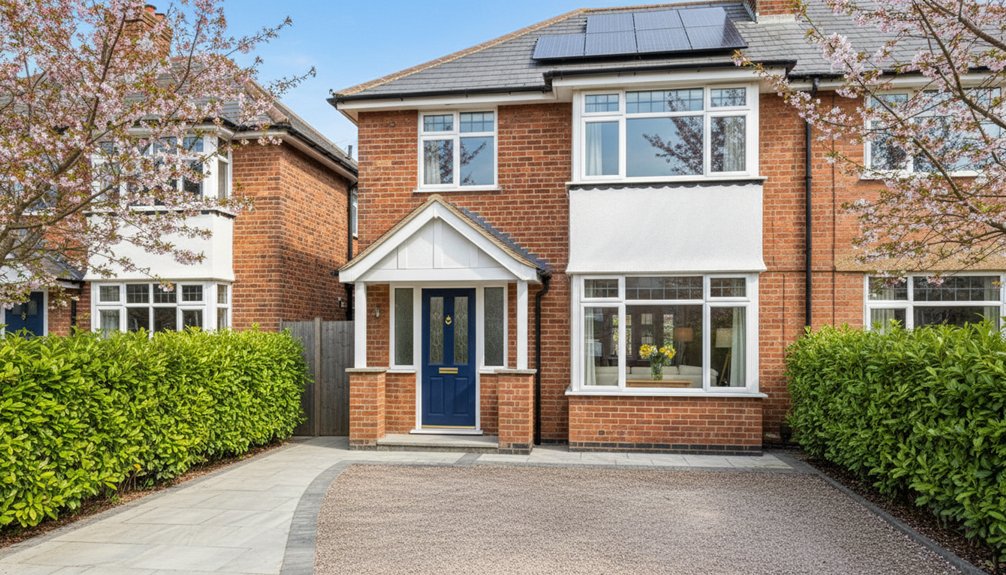
To hit your asking price in Reading, you’ll get the best return from condition and presentation before major renovations. You should fix leaks, cracks, and tired sealant, then deep-clean, declutter, and repaint in warm neutrals with consistent flooring. You’ll photograph better with bright warm-white LEDs and a tidy hallway. You should prove safety and compliance with up-to-date Gas Safe/EICR, working alarms, and secure locks. Add kerb appeal and low-cost EPC wins; the steps ahead show what pays.
Key Takeaways
- Upgrade kitchens and bathrooms with new worktops, taps, LED lighting, and refreshed cabinet fronts for high-impact, low-disruption value.
- Boost kerb appeal by repainting the front door, pressure-washing paths, improving exterior lighting, and tidying landscaping for stronger first impressions.
- Prove safety and compliance with current Gas Safe records, working smoke/CO alarms, and checked electrics to reduce buyer objections.
- Improve energy performance with loft insulation, draught sealing, and smart heating controls to lower running costs and support pricing.
- Fix minor repairs and presentation issues—leaks, cracks, worn silicone, deep cleaning, and decluttering—to prevent “project” assumptions and downvaluations.
Reading Upgrades That Add Value Before Selling
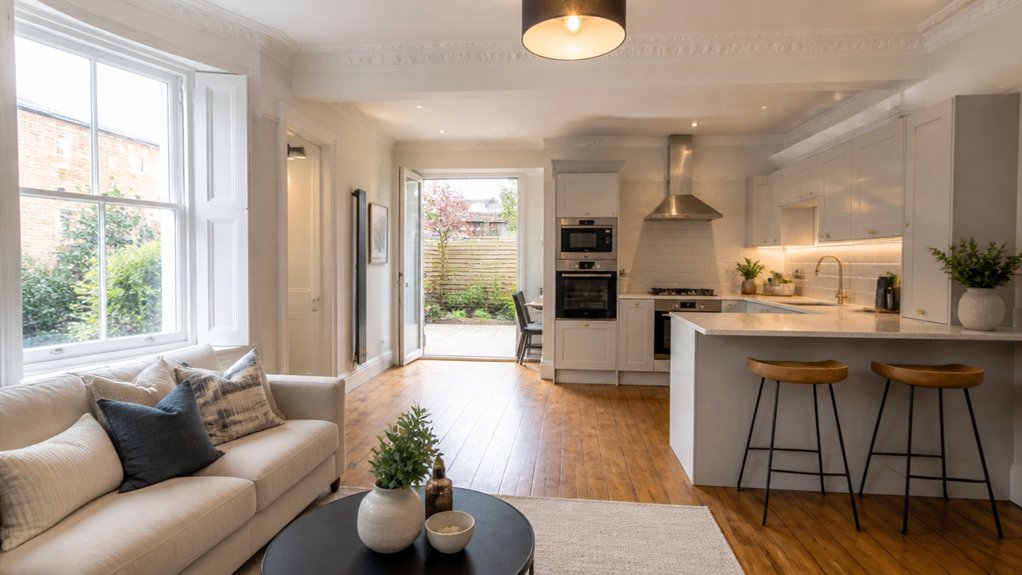
Before you list in Reading, focus your budget on upgrades that buyers consistently reward with stronger offers and faster decisions. Start with kitchens and bathrooms: replace tired worktops, refresh cabinet fronts, update taps, and fit modern LED lighting—high-visibility changes with reliable payback.
Next, improve energy performance, because EPC sensitivity keeps rising: add loft insulation, seal drafts, and install smart thermostatic controls as practical Eco upgrades that reduce running costs.
Then modernise key systems: service the boiler, upgrade consumer units if dated, and fit compliant smoke/heat alarms.
Add Smart home touches that photograph well and signal easy living—smart heating, doorbells, and lighting—without over-customising.
Finally, invest in curb appeal: repaint the front door, tidy paths, and boost exterior lighting for safer evening viewings.
Do a Quick Pre-Sale Snag Check (Reading)
Before viewings in Reading, you’ll get better buyer feedback when you run a quick snag check on high-wear points like door handles, taps, seals, and flooring edges.
Fix small cosmetic issues—scuffed paint, loose hinges, cracked sealant—because they’re low-cost but often trigger price-chipping.
Then confirm safety basics are compliant (smoke/heat alarms, electrics, gas certification where applicable) so you’re not renegotiating under pressure.
Inspect Common Wear Points
Where do buyers’ eyes go first on a viewing in Reading? They scan high-touch, high-visibility areas that signal upkeep. Walk your route like an agent: start at the approach and check Exterior landscaping for trip hazards, loose edging, wobbly gates, and drainage near thresholds.
At the front door, test the lock, letterbox, door closer, and hinges for smooth action and tight fixings.
Inside, run taps, flush toilets, and watch for slow refill, leaks under sinks, or loose mixer handles. Open and close every window; verify seals, catches, and vents work, and ensure Window treatments operate cleanly without snagging.
Check radiators for cold spots and valves, and confirm extractor fans and light switches respond instantly. Document anything that could trigger negotiation or survey notes.
Fix Minor Cosmetic Issues
How quickly can you lift a buyer’s confidence in a Reading viewing? In minutes, if you run a brisk snag check and fix small cosmetic faults that signal neglect.
Walk room by room with a notepad: fill hairline cracks, touch up scuffed skirting, re-silicone grubby seals, tighten loose handles, and replace mismatched bulbs. Patch nail holes, align cupboard doors, and deep-clean grout where it photographs badly.
Then audit presentation cues that influence price anchoring. Refresh garden landscaping by edging borders, removing weeds, and pressure-washing patios so the outside feels maintained.
Inside, update window treatments: steam creased curtains, rehanging blinds straight, and swapping broken slats. These low-cost fixes reduce buyer objections, speed decision-making, and help you defend asking price during negotiations.
Verify Safety Compliance
Why risk a buyer’s hesitation over something a quick safety pass can remove? In Reading, surveyors and cautious buyers flag compliance gaps fast, and those notes often translate into price chips.
Do a pre-sale snag check that mirrors what a survey will probe: test smoke and heat alarms, confirm CO alarms where required, and keep clear access to escape routes for strong fire safety optics.
Check consumer unit labeling, RCD protection, and any DIY electrical work; if in doubt, book a NICEIC electrician for a minor works cert.
Verify boiler servicing and provide the latest Gas Safe record.
Reduce security concerns by fixing window locks, aligning doors, and proving alarm operation.
File receipts and certificates so your agent can evidence improvements and defend your asking price.
Top £0–£500 Fixes Buyers Notice First
In Reading, you’ll often get the best ROI from £0–£500 tweaks that tighten first impressions and reduce “work needed” objections.
Start with fresh paint and clean caulk lines, then swap tired lighting, switches, and door hardware for modern, consistent finishes.
Finish with a deep clean and disciplined declutter so rooms photograph better, feel larger, and keep buyers focused on value.
Fresh Paint And Caulk
Although you can’t change a property’s layout overnight, fresh paint and tidy caulk instantly signal “well maintained” to buyers and valuers, and they’re among the highest-impact fixes you can do in Reading for £0–£500.
Start with high-traffic walls, skirting, and door frames; patch, sand, then paint in warm neutrals to reduce “project” perception and protect your asking price.
Next, re-caulk baths, showers, sinks, and window trims. Clean out failing silicone, dry thoroughly, then apply a straight bead to remove mould cues and prevent moisture doubts.
Outside, touch up fascias and sills so Exterior landscaping looks intentional, not compensatory.
Finally, seal gaps around frames to improve draught control; that supports energy efficiency claims during viewings and surveys.
Lighting And Hardware Upgrades
Fresh paint and clean caulk make rooms feel cared for; the next fast signal buyers clock is how bright, modern, and “finished” the place feels under the lights and at first touch. Swap tired bulbs for warm LEDs (2700–3000K) and match colour temperature across rooms so viewings photograph evenly and feel consistent.
Replace dated pendants with simple flush fittings; keep scale right for ceiling height. Add Smart lighting in the hallway and living area so you can set “Viewing” scenes and boost brightness instantly without fiddling.
Then do hardware upgrades: unify door handles, cupboard pulls, and tap levers in one finish (brushed nickel or matte black), and tighten every hinge and latch. These £0–£500 tweaks raise perceived maintenance, reduce objections, and support asking price.
Deep Clean And Declutter
Where do buyers look first when they step into a Reading home? They scan floors, worktops, bathrooms, and windows for signs of care. A deep clean is your highest-ROI move under £500 because it reduces perceived risk and lets viewers focus on space, not grime.
Start methodically: descale taps and shower screens, re-grout or whiten sealant, wash skirting boards, clean inside the oven, and polish glass. Neutralise odours at the source (bins, drains, pet areas), don’t mask them.
Then declutter to prove usable square footage. Clear 30–50% from wardrobes and cupboards, add simple storage solutions, and box up personal items to create a “move-in ready” feel.
Finish with tidy outdoor landscaping: sweep paths, weed borders, and clean the doorstep.
Kerb Appeal Wins for Reading Homes
How quickly can you lift a buyer’s first impression in Reading? In most viewings, it’s within the first 10 seconds, so treat the frontage like a pricing tool.
Start with Garden landscaping: cut edges, weed paths, refresh mulch, and add two symmetrical planters. Fix gates, pressure-wash paving, and repaint the front door in a neutral, modern shade.
Replace missing roof tiles, clear gutters, and tidy bins out of sight—surveyors and buyers notice neglect fast.
For Energy efficiency, fit a draught excluder, seal obvious gaps, and switch to a smart-looking LED porch light; these signal lower running costs without major spend.
Keep signage discreet and lighting timed for evening viewings. Measure impact with new listing photos.
Make the Hallway Brighter (Photos + Viewings)
Because most Reading buyers move from the front door to a “yes/no” feeling in seconds, a brighter hallway pays off twice: it photographs larger online and it lifts the mood the moment they step inside.
Start with hallway lighting that reads clean on camera: use warm-white LED bulbs (around 2700–3000K) and match colour temperature across fittings so photos don’t look patchy. Increase brightness with higher-lumen bulbs rather than harsh tones.
Add a simple ceiling fitting if the space relies on one dim lamp. For viewings, make switching effortless: replace faulty switches, set timers, and turn every light on before the first knock.
Maximise natural light by keeping glazing clear and avoiding bulky items that block sightlines from the door.
Paint and Flooring Refresh That Sells
Once you’ve made the hallway feel brighter, the next fastest value win is a paint-and-flooring refresh that reads “looked after” in photos and underfoot. In Reading, buyers skim listings quickly, so clean lines and consistent tones help you stand out and reduce “project” assumptions.
Choose one warm neutral for most walls, then use tight color coordination with trims and doors to avoid visual breaks. Keep finish levels consistent: matte on walls, satin on woodwork.
For floors, prioritise uniformity over trend—professionally cleaned carpets, refreshed wood, or a single, continuous laminate/vinyl tone through key rooms photograph better than mixed surfaces.
Plan furniture arrangement after flooring: float pieces to show perimeter space, align rugs to the seating zone, and leave clear sightlines to windows. You’ll make rooms feel larger and more move-in ready.
Small Repairs That Stop Price Negotiations
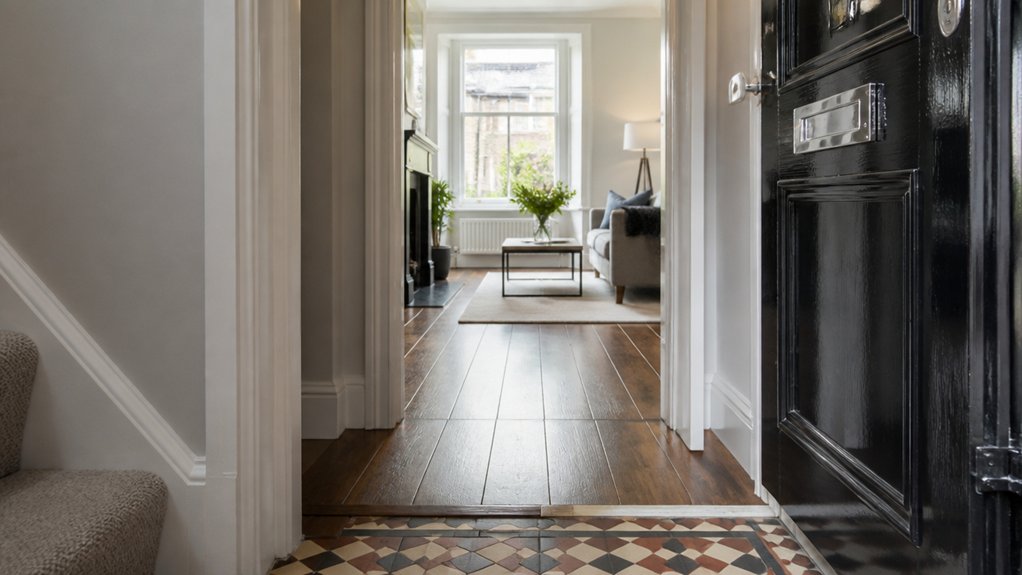
In Reading, minor defects like leaks, drips, and visible cracks often signal deferred maintenance and invite buyers to negotiate harder.
You’ll protect your asking price by fixing taps, traps, and sealant failures, then patching holes and hairline cracks so viewings don’t turn into a snag list.
You’re aiming to remove easy objections early, because small repairs are cheap but they carry outsized weight in survey comments and buyer confidence.
Fix Leaks And Drips
Where do buyers look first for hidden maintenance—under sinks, around toilets, and at the boiler, where a slow drip can signal bigger problems. In Reading viewings, visible water marks or limescale instantly raise “what else is wrong?” doubts and invite price chips.
Work methodically: check all traps, flexi-hoses, isolation valves, shower seals, and radiator valves. Do drip repair before photos and viewings, then recheck after 48 hours.
Replace worn washers, cartridges, and PTFE-tape threaded joints; tighten fittings to spec, not brute force. For leak prevention, clear gutters and overflow pipes, confirm the boiler condensate isn’t backing up, and ensure stopcocks turn freely.
Keep a simple log and receipts—agents can reference it, and surveyors note “no active leaks,” reducing negotiation leverage.
Patch Cracks And Holes
Although a hairline crack or a thumb-sized hole looks minor, buyers and surveyors treat it as a signal of deferred maintenance, and that perception feeds straight into “allowance” requests during negotiations.
You can cut that off by patching visibly and properly: rake out loose plaster, fill in layers, tape where needed, sand flat, then prime and paint to match. In Reading viewings, mismatched filler stands out under bright LED lighting, so finish the surface, not just the gap.
Check skirting boards, stair strings, around sockets, and exterior render near openings.
Outside, seal masonry cracks before you add decorative accents or new landscaping ideas, because clean lines make the upgrades look intentional and well maintained.
Kitchen Updates Without a Full Refit
Since buyers in Reading often judge the overall condition of a home from the kitchen, you don’t need a full refit to make the space feel modern and well cared for—targeted, low-disruption updates like new hardware, refreshed cabinet fronts, improved lighting, and tidy finishes can deliver a strong “move-in ready” impression and protect your asking price without the time and cost of ripping everything out.
Start with cupboard handles, a fresh silicone seal, and a deep clean of grout lines—small details signal upkeep.
Swap dated bulbs for warm-white LEDs and add under-cabinet strips to lift worktops.
If your budget allows, replace the most visible items with Modern kitchen appliances buyers recognise as efficient.
Finish by fitting eco-friendly fixtures like a low-flow tap aerator and a simple, splash-proof backsplash.
Bathroom Tweaks That Feel “Hotel Clean

Because bathrooms broadcast hygiene and maintenance faster than any other room, you’ll get the best return in Reading by engineering a “hotel clean” look with small, verifiable fixes rather than major plumbing work.
Start with what viewers see at arm’s length: regrout or refresh silicone, polish taps, and replace tired sealant around the bath and shower screen. Swap yellowed toilet seats and cracked accessories; they signal neglect. Upgrade lighting to bright, neutral LEDs and fit a new mirror to lift the whole space.
Add Luxury fixtures selectively: a thermostatic bar valve, a crisp handset, and matching hardware read premium without upheaval.
Finish with eco-friendly upgrades that buyers can verify, like a dual-flush plate and efficient showerhead. Deep clean limescale, then stage with fresh towels and boxed toiletries only.
Low-Cost EPC Wins Reading Buyers Want
Once the bathroom reads “hotel clean,” buyers in Reading start scanning the paperwork—and your EPC rating sits near the top of that mental checklist.
You can lift perceptions of value with low-cost Energy efficiency upgrades that surveyors and buyers recognise. Start with LED bulbs throughout, draught-proofing around doors, letterboxes, and loft hatches, and reflective foil behind radiators on external walls.
If you’ve got accessible loft space, top up insulation to current guidance and keep receipts. Swap old programmer controls for a smart thermostat and thermostatic radiator valves where missing; they’re visible, measurable, and rarely disruptive.
Finally, book an EPC refresh before launch so your listing shows the improved band and you demonstrate legal compliance from day one.
Declutter and Stage for Reading Viewings
While your EPC sets expectations on running costs, your presentation decides whether a Reading buyer can picture living there, so treat decluttering and staging as a conversion tool, not a cosmetic extra.
Start by editing rooms to their purpose: clear worktops, remove oversized furniture, and leave one focal point per space so photos and viewings read cleanly.
Use storage solutions to hide day-to-day items: matching boxes in cupboards, slimline shoe storage, and a single “moving basket” you can lift into the car before viewings.
Aim for hotel-neutral: light bedding, consistent bulbs, and curtains pulled wide to maximise natural light.
Outside, buyers price first impressions fast, so prioritise outdoor landscaping: edged paths, weed-free borders, and a defined seating spot to signal usable space.
Upgrades That Rarely Pay Back in Reading
Staging helps you win on perception, but the quickest way to lose on profit is to sink money into upgrades that Reading buyers don’t reliably pay extra for. Treat every project like an investment: ask what comparable homes actually sold for, not what you wish you’ll recoup.
Be cautious with Luxury amenities such as built-in speakers, smart lighting everywhere, wine fridges, hot tubs, or bespoke media rooms; they narrow your buyer pool and rarely lift valuations.
Likewise, heavy landscaping enhancements—designer paving, elaborate water features, full garden redesigns—often read as maintenance, not value, especially when buyers prefer a blank canvas.
Avoid converting bedrooms to niche spaces, or overspecifying kitchens beyond your street’s norm. Put your budget into repairs, cleanliness, and broad-appeal finishes you can justify with local comps.
Conclusion
If you want to hit your asking price in Reading, treat prep like tuning an engine: small adjustments deliver measurable gains. You’ll spot issues early with a snag check, fix high-visibility faults under £500, and sharpen kerb appeal to lift first impressions in listings and viewings. You’ll prioritise “hotel clean” bathrooms, brighter hallways, and low-cost EPC wins buyers now filter for. You won’t overinvest in upgrades that don’t shift local comparables.