


If you’re heating a home in Ireland, you’re dealing with damp air, fast weather swings, and rooms that never feel evenly warm. Underfloor heating helps by spreading steady heat across the whole floor, so you don’t get the same cold spots you’re used to with radiators. It can also run at lower temperatures, which matters when energy prices bite. But is it worth the upfront cost in your house… or not?
Is Underfloor Heating Worth It in Ireland?
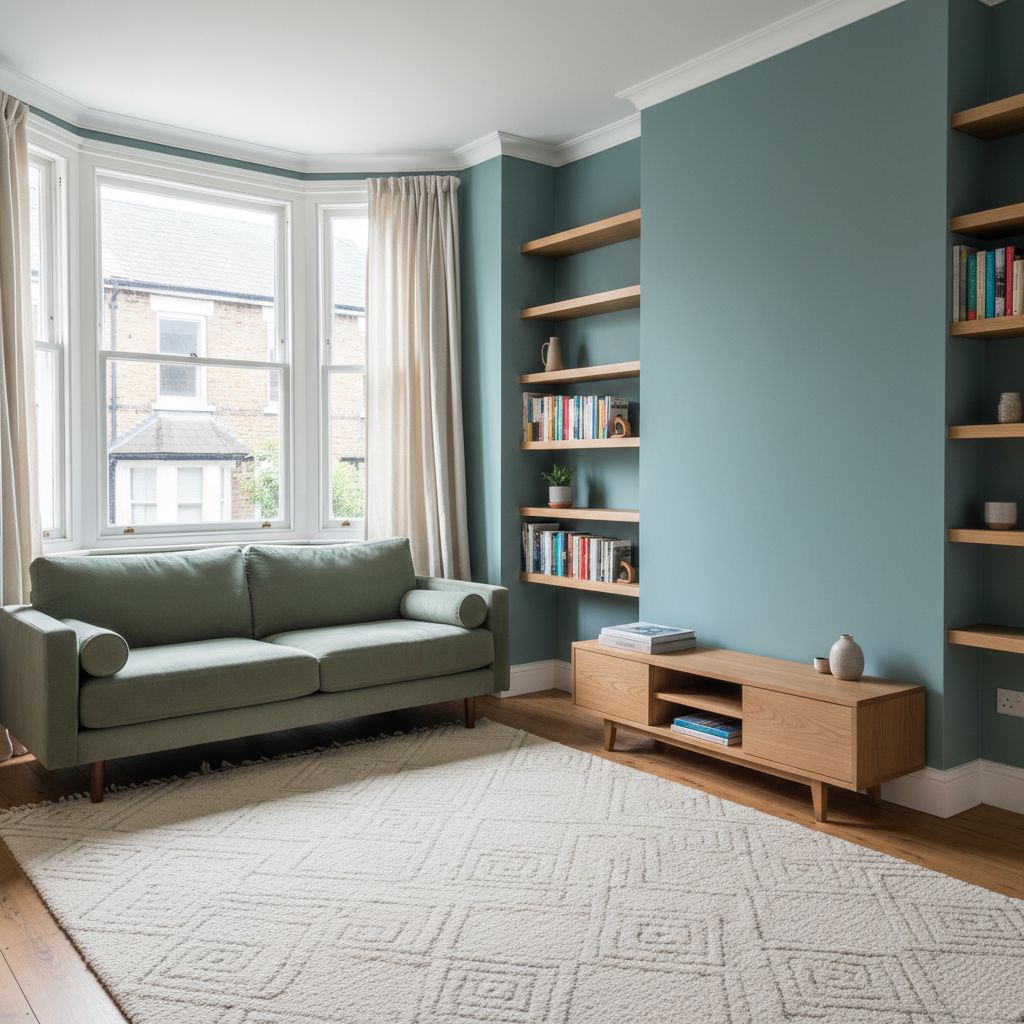
In Ireland’s damp, changeable climate, is underfloor heating actually worth it? Yes—if you prioritise comfort, usable space, and long-term efficiency.
You heat rooms evenly from the ground up, so you don’t rely on hot spots near radiators or drafty corners. Because the system runs at lower water temperatures, you can pair it with modern boilers or heat pumps and reduce energy use, especially in well-insulated homes.
You’ll also free up wall space, making furniture layouts easier and rooms feel cleaner.
Upfront costs and disruption during retrofits can be the main drawback, so you’ll want quotes, a heat-loss survey, and a plan for floor build-up and controls.
Why Underfloor Heating Suits Irish Weather
Because Ireland’s weather swings between damp cold, mild days, and sudden chills, underfloor heating keeps you comfortable without constant thermostat tweaking. It warms the room evenly from the ground up, so you don’t feel that clammy edge when rain and wind creep in. This is why underfloor heating Ireland properties is essential.
You can run it at steady, lower temperatures that match Ireland’s long heating season, rather than blasting heat in short bursts.
In older or draughtier homes, it helps take the bite out of tiled halls, kitchens, and bathrooms where floors stay cold for months. When the sun pops out, the gentle heat won’t overwhelm the space, so you’re less likely to open windows just to cool down.
You’ll feel consistently warm, even as outdoor temperatures shift hour to hour.
Underfloor Heating vs Radiators in Ireland
While radiators can heat a room quickly, underfloor heating usually suits Irish homes better for day-to-day comfort and efficiency. You feel warmth where you live: at floor level, spreading evenly across the space instead of pooling near the ceiling. That steadier heat helps you stay comfortable through damp, changeable Irish days without constantly tweaking the thermostat.
You also gain usable wall space because you’re not planning furniture around radiators. Rooms look cleaner, and you can place sofas, beds, and desks where they work best.
Underfloor systems run at lower temperatures, so you typically use energy more efficiently while keeping an even background warmth. You’ll notice fewer cold spots and less radiator “hot-and-cold” cycling, which can make rooms feel stuffy or uneven.
Electric vs Water Underfloor Heating: Which One?

How do you choose between electric and water underfloor heating in Ireland? Start with your build type and how much disruption you’ll accept.
Electric systems use heating mats or cables, so you can fit them quickly in a single room. This makes them ideal for renovations and upstairs spaces. They’re slim, so floor height changes stay minimal.
Water (hydronic) systems circulate warm water through pipes. They suit whole-home projects, new builds, and major refurbishments where you can plan screed depth and manifold placement. You’ll also need space for the pump and controls.
If you want simple zoning for a bathroom or kitchen, electric’s straightforward. If you’re heating larger areas, water gives you a flexible layout across rooms.
Underfloor Heating Running Costs and Energy Bills
If you’re weighing up underfloor heating for your Irish home, running costs usually come down to insulation quality, floor area, energy source, and how you control the system day to day.
Because underfloor heat runs at lower water or cable temperatures than radiators, you can often maintain comfort with less input, especially in well-insulated new builds or retrofits.
To keep bills predictable, zone each room and set realistic schedules instead of heating the whole house all day. Use a smart thermostat with floor and air sensors, and don’t chase big temperature jumps—steady setbacks work better.
Pair it with good insulation below the pipes or mats, seal drafts, and choose floor finishes that conduct heat well (tile, stone, thin engineered wood). Maintain hydraulic systems so flow stays balanced.
Underfloor Heating With Heat Pumps in Ireland
Because heat pumps deliver heat most efficiently at low flow temperatures, underfloor heating suits them perfectly in Irish homes. You’ll run your system at around 30–40°C rather than pushing radiators to higher temperatures, so your heat pump’s COP stays higher and your electricity use drops.
You also get steadier warmth, because the floor acts like a large, gentle emitter instead of cycling hot and cold.
If you’re retrofitting, you can pair a heat pump with low-profile pipe systems or overlay boards, but you’ll still need good insulation and proper heat-loss calculations.
In new builds, you can design the slab, pipe spacing, and controls together, so the heat pump modulates smoothly.
Add zoning and smart thermostats, and you’ll fine-tune comfort without waste.
Best Rooms for Underfloor Heating (and Why)

Pairing underfloor heating with a heat pump gives you efficient, low-temperature warmth, but room choice still shapes how much comfort and value you’ll get.
Start with bathrooms: tiles feel icy in Irish winters, and radiant heat dries surfaces faster and reduces damp corners.
Kitchens and open-plan living areas come next because you spend hours there and cold drafts gather around hard floors and large glazing.
Bedrooms work well when you want steady, gentle heat without hot radiators drying the air or hogging wall space.
Hallways and entryways benefit too, since they’re the first cold zones you step into and they help stabilise the whole house.
If you’ve got a sunroom or extension, underfloor heating offsets heat loss and keeps the space usable year-round.
Underfloor Heating Costs in Ireland (Supply + Install)
If you’re heating a whole home, hydronic can look pricier upfront but better value per square metre at scale.
If you’re doing a single bathroom or kitchen, electric can stay competitive.
Always price in thermostats, sensors, and commissioning, because they’re essential, not optional.
Installation: Floor Height, Timeline, and Disruption
While underfloor heating feels like a simple swap from radiators, the installation details matter most: how much floor height you’ll add, how long the job will take, and how disruptive it’ll be to daily life.
In new builds, you can plan pipe runs and insulation into the slab, so finished floor levels stay tidy.
In retrofits, you’ll usually choose low-profile systems to minimise height gain, or you may need to lift doors, skirting, and thresholds.
Electric mats add little height and suit single rooms, while water systems often need more build-up but cover whole homes efficiently.
Expect a bathroom or kitchen to take a few days; whole-house retrofits can run over a week, plus drying time for screed.
You can stage rooms to keep living.
Underfloor Heating Mistakes to Avoid in Ireland
Because Ireland’s damp climate and older housing stock expose weak details fast, you’ll want to avoid the common underfloor heating mistakes that cause cold spots, high running costs, or premature failures.
Don’t underspec insulation; without proper floor and edge insulation, you’ll heat the ground and lose efficiency.
Don’t skip a heat-loss calculation or zoning—open-plan areas, upstairs bedrooms, and bathrooms need different outputs and controls.
If you choose electric mats, don’t treat them as whole-home heating unless your electricity tariff and fabric upgrades support it.
With wet systems, don’t use oversized pipe spacing or long loops; you’ll get uneven warmth and sluggish response.
Always pressure-test before screeding and photograph pipe routes.
Finally, don’t pair UFH with an oversized boiler; match it to low-flow temperatures and proper commissioning.
Conclusion
If you’re heating a home in Ireland, underfloor heating is worth serious consideration. You’ll get steady, draught-free warmth that tackles damp days and reduces cold spots. Because it runs at lower temperatures, you can cut energy use—especially with a heat pump—while keeping rooms comfortable. You’ll also reclaim wall space and enjoy cleaner interiors. Choose electric for small upgrades, or water systems for whole-home efficiency. Plan carefully and avoid common install mistakes.