

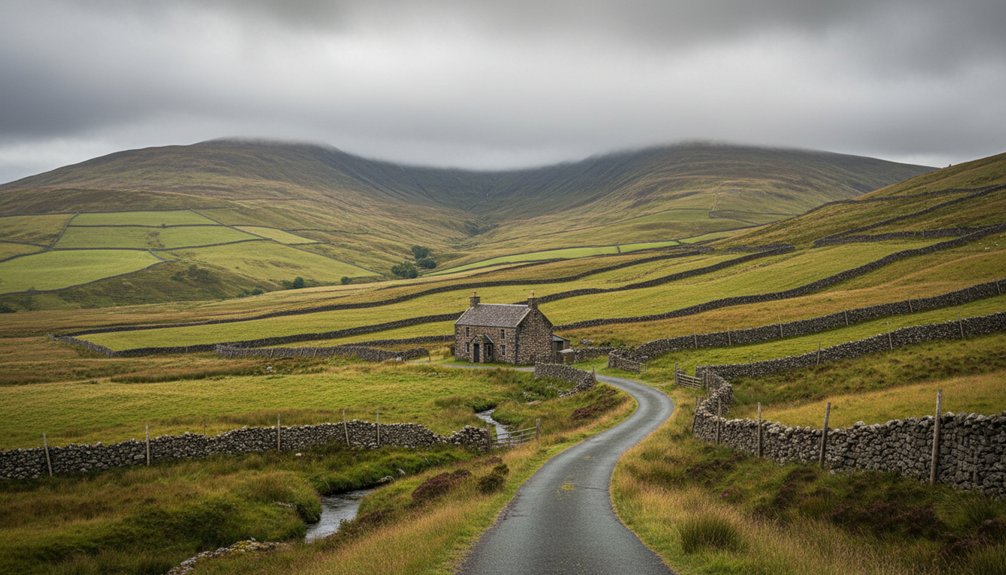
You’ll find the Borders’ most remote farmhouses by looking beyond the easy Tweed Valley lanes into the Ettrick and Yarrow Valleys, the Borders side of Kielder Forest, and the high Lammermuir backroads. Target single-track access, private water and drainage, and steadings with sheltered yards and stone-and-slate builds. Check winter gritting, track condition after rain, broadband and mobile signal, and distance to hubs like Newcastleton. Keep going and you’ll see how to spot truly remote listings fast.
Key Takeaways
- Look in the Upper Tweed Valley for traditional farmhouses with larger plots, reasonable access, and better chances of modern utilities and broadband.
- Search the Ettrick and Yarrow Valleys for secluded stone farmhouses, private drives, fewer neighbours, and strong value for privacy-focused buyers.
- Consider Tweed-side areas nearer towns if you want remoteness with easier commuting, services, and stronger resale stability.
- Explore the Scottish Borders edge of Kielder Forest for bothies and converted steadings reached via forestry tracks, offering true remoteness.
- Check Lammermuir Hills above the Leader and Tyne for high-ground farmhouses with big views, sturdy stone builds, and sheltered yards.
What “Remote Farmhouse” Means in the Borders
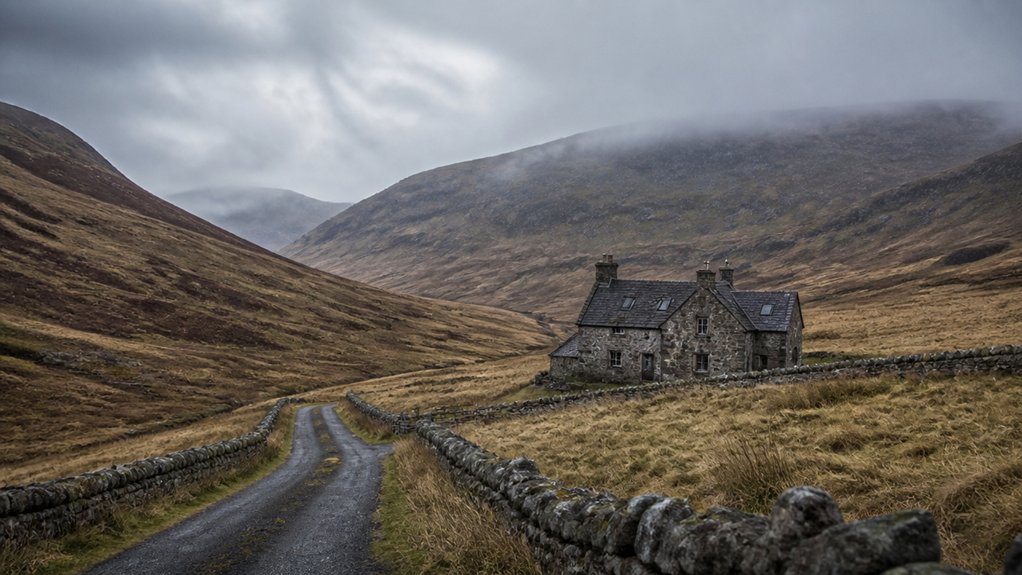
Although “remote” can sound like a marketing buzzword, in the Scottish Borders it usually means a farmhouse that sits well outside a town’s daily orbit—think single-track access, longer drives to shops and schools, patchy mobile signal, and services (water, drainage, broadband) that may be private rather than mains.
So you’ll want to judge remoteness by minutes to essentials and the property’s infrastructure as much by miles on a map. You’ll also find “remote” used for steadings on higher ground, where winter weather cuts in first and delivery routes cost more.
In local traditions, these places still work to an agricultural calendar, and the farming history shows in outbuildings, rights of access, and grazing arrangements. Expect a pricing spread driven by condition, services, and road reliability.
Quick Checklist for Choosing a Remote Farmhouse
Remote in the Borders isn’t a feeling—it’s a set of practical constraints you can measure—so use a quick checklist before you get swept up by the views.
Start with access: confirm road type, winter gritting, passing places, and reliable parking for deliveries.
Check utilities: mains water vs. private supply, septic compliance, and mobile signal plus fixed broadband speeds at the kitchen table.
Price the running costs: heating fuel storage, insulation, roof condition, and outbuilding repairs.
Validate permissions: agricultural restrictions, holiday-let rules, and any listed-building obligations near historical landmarks.
Test the day-to-day: nearest GP, school run time, and where you’ll shop for staples and local cuisine.
Finally, ask for flood history, boundary plans, and rights of way. Get it in writing.
Best Borders Regions for Remote Farmhouses (at a Glance)
If you want a remote farmhouse with solid day-to-day access, start with the Upper Tweed Valley, where you’ll typically find bigger plots and straightforward routes back to Peebles and Innerleithen.
For a more off-grid feel and stronger privacy, the Ettrick and Yarrow Valleys give you deeper seclusion, fewer neighbours, and a market that rewards realistic renovation budgets.
Use these two regions as your quick scan: Tweed for convenience and resale steadiness, Ettrick/Yarrow for isolation and value if you’re prepared for longer drives and winter upkeep.
Upper Tweed Valley
Where the Tweed runs broad and quiet between rolling hills, the Upper Tweed Valley gives you some of the Borders’ best pickings for truly tucked-away farmhouses without feeling cut off.
You’ll find steadings above the river terraces around Drumelzier and Broughton, plus higher, lonelier holdings up side glens, with big skies and long views to the peaks.
Look for properties that still work with local farm traditions—shared tracks, lambing sheds nearby, and neighbours who’ll expect gates left as found.
For value, target renovated stone houses with remote farmhouse amenities: reliable broadband, air-source heat pumps or modern stoves, secure outbuildings, and good water pressure from private supplies.
Check winter access, flood history on low ground, and whether you’ve got room for parking, deliveries, and a generator.
Ettrick And Yarrow Valleys
Although the Ettrick and Yarrow Valleys sit within easy reach of Selkirk and the A7, they still deliver some of the Borders’ most convincingly secluded farmhouses, especially along the single-track spurs above Ettrickbridge, Yarrowford, and the upper reaches towards St Mary’s Loch.
You’ll find steadings tucked behind shelter belts, with long drives and minimal passing traffic—ideal if you’re prioritising privacy over village convenience.
Target listings with original stonework, slate roofs, and byre conversions if you want Historical architecture that still suits modern heating and broadband upgrades.
Check water supply (private boreholes are common) and winter access on steep lanes.
For view and value, look for south-facing slopes above the loch and smaller crofts near Cappercleuch.
After viewings, test the area’s Local cuisine in Selkirk or at a lochside café.
Remote Farmhouses in the Tweed Valley Backroads
If you’re hunting remote farmhouses in the Tweed Valley backroads, you’ll need to work the hidden tracks and single-track lanes where listings don’t linger and access can make or break value.
You’ll find the strongest mix of privacy and lettable appeal around riverside fields and old steads—check flood history, rights of way, and broadband before you bid.
For true off-grid quiet, target hillside bothies and working farms, but price in track upkeep, water supply, and winter reachability from day one.
Hidden Tracks And Lanes
Tucked behind the A-roads, the Tweed Valley’s backroads break into a web of forestry tracks, old drove lanes, and farm access roads that’ll take you straight to the most secluded Borders farmhouses—provided you navigate with a bit of local know-how. You’ll do best with an OS map or offline GPS, because signals drop fast in the folds and plantations.
Stick to signed farm roads, shut every gate, and keep speeds crawling: you’ll meet tractors, livestock trailers, and tight bends that don’t forgive. Time your viewing for mid-morning, when working yards are calmer and you can ask about access without disrupting farming traditions.
Scan verges for local wildlife—roe deer, hares, and buzzards—then pull in only at passing places. If a track turns rutted, turn back; you’re close enough already.
Riverside Fields And Steads
Once those forestry tracks spill back onto open ground, the Tweed and its tributaries start guiding you to the valley’s most private steads, set behind shelter belts and long riverside fields. Follow minor roads from Innerleithen toward Cardrona, then take signed farm access lanes that drop to the haughs; you’ll spot steadings tucked below poplar lines and old stone dykes.
You’ll get the best leads by watching for footbridges, salmon pools, and clustered outbuildings rather than obvious driveways. Arrive midweek, keep gates as you find them, and park without blocking machinery. For viewings, choose late afternoon light: it opens hilltop panoramas from the field margins while keeping homes discreet.
Bring binoculars for wildlife watching—otters, dippers, and red kites are common along these bends.
Hillside Bothies And Farms
Where do you find the Tweed Valley’s most self-contained hillside bothies and working farms? You’ll spot them on the backroads above Drumelzier, Talla, and the Lyne Water, where single-track climbs to shoulder-height terraces and stone dykes.
Look for south-facing folds that shelter lambing parks and catch light; that’s classic hillside architecture, built for wind and drainage.
To buy or book well, check access first: shared farm tracks, winter gates, and rights of way can affect privacy and insurance.
Ask about water (spring or borehole), septic capacity, and mobile signal in the cleuchs.
You’ll fit in if you respect local farming traditions—close gates, avoid field dogs, and plan visits around clipping and lambing.
Speak to local agents and estate factors early.
Secluded Stays Near St Mary’s Loch and Megget
Although the road narrows as you skirt the Ettrick and Yarrow valleys, St Mary’s Loch and the Megget Reservoir reward the extra miles with genuinely secluded farmhouses—places that feel off-grid without sacrificing comfort. You’ll find stone steadings tucked above the shore, shaped by remote farmhouse architecture: thick walls, small panes, and byres repurposed as warm kitchens.
Book early for lambing season or late autumn when the loch turns glassy and rates soften. Ask hosts about local farm traditions—feed times, working dogs, and where to buy eggs or mutton nearby—so you can fit in without getting in the way.
Pack supplies in Selkirk or Peebles, expect patchy signal, and choose properties with woodfuel, boot rooms, and clear access notes.
Ettrick and Yarrow Remote Farmhouses and Trails
If you base yourself in an Ettrick or Yarrow valley farmhouse, you’ll get the best of both worlds: proper working-country seclusion and quick access to some of the Borders’ quietest hill trails. You’ll find stone-and-slate Farmhouse architecture, low byres, and sheltered yards that stay calm when the wind’s up.
Book a place near Kirkhope or the upper Yarrow and you can walk straight onto the Southern Upland Way, or take shorter loops to Mount Benger, the Three Brethren, and Blackhouse Height. Pack a map: phone signal fades fast.
At dawn you’ll spot local wildlife—roe deer in the rushes, curlew over wet meadows, and red kites riding the thermals. Ask hosts about lambing times and gates, and you’ll fit in.
Remote Farmhouses on the Kielder Forest Edge (Borders Side)
On the Borders side of Kielder Forest, you’ll find hard-to-spot bothies and converted steadings that can make strong buys if you check title, water, and rights of access early.
You’ll need to map the forestry tracks and private estate roads, then time viewings around gates, river levels, and winter maintenance.
Keep day-to-day practical by pricing in runs to nearby hamlets for fuel, basics, and signal—because services thin out fast once you’re on the forest edge.
Border-Edge Bothies And Steadings
Tucked right up against the Borders side of Kielder Forest, the old bothies and steadings along the edge sit in a sweet spot for buyers who want real remoteness without losing access to Hawick, Newcastleton, or the A7. You’ll see sturdy stone ranges, low roofs, and sheltered yards that reflect local architecture and hard-working farming traditions.
When you view, check wall thickness, roof timbers, and signs of past livestock use; those details drive renovation cost and lending. You’ll often get small parcels of rough grazing, so price hinges on boundaries, water supply, and whether you can secure a workable private drainage upgrade.
Look for steadings that already form a courtyard: they convert well to workshops or holiday lets, which helps resale in this niche market.
Access Routes And Tracks
Although the map can make these Border-side Kielder holdings look “just off” a public road, access is often the make-or-break detail, so you’ll want to treat every track as part of the purchase rather than an afterthought. Check title plans for rights of access, shared maintenance liabilities, and any forestry gates or seasonal closures.
Walk the route after heavy rain: clay ruts, soft verges, and ford crossings will dictate 4×4 need and winter reliability. Ask who grades the surface and where stone is sourced. Look for passing places and turning heads for deliveries and oil tanks.
Track width also affects refurbishment: moving slate, timber, and glazing in for farmhouse architecture upgrades can be costly. Factor in local wildlife—deer, hares, and raptors—and plan fencing and sightlines.
Nearby Hamlets And Services
Two miles can be the difference between a workable week and a constant faff on the Borders side of the Kielder edge, so pin down your nearest hamlet and what it genuinely provides. Check opening hours, winter closures, and whether the “shop” is just a counter in the pub.
From this edge you’ll typically lean on Newcastleton for fuel, groceries, a pharmacy run, and a reliable signal spot. Bellingham’s useful over the water for bigger shops and trades. Ask about waste collection, bottled gas deliveries, and who clears snow on your road.
If you’re letting, confirm where guests can eat and park without grief. Local craft shops can add rental appeal, and nearby historical landmarks boost weekend demand—just make sure access and signage are straightforward year-round.
Lammermuir Hills Farmhouses for Big-Sky Quiet
When you want uninterrupted horizons and real silence, the Lammermuir Hills deliver, and the right farmhouse makes that landscape easy to live in. Focus your search on the high edges above the Leader and Tyne waters, where you’ll get long views and steady light without being too far from main roads.
Prioritise sturdy Farmhouse architecture: thick stone walls, slate roofs, small-pane sash windows, and a good porch or boot room for hill weather. Look for south-facing kitchens and a sheltered yard so you can work outside more months of the year.
You’ll share the ground with Local wildlife—roe deer, curlew, and barn owls—so check field boundaries, outbuildings, and sightlines for a balanced mix of openness and cover. Older steadings with renovated byres often offer the best value.
How to Tell If a Listing Is Truly Remote
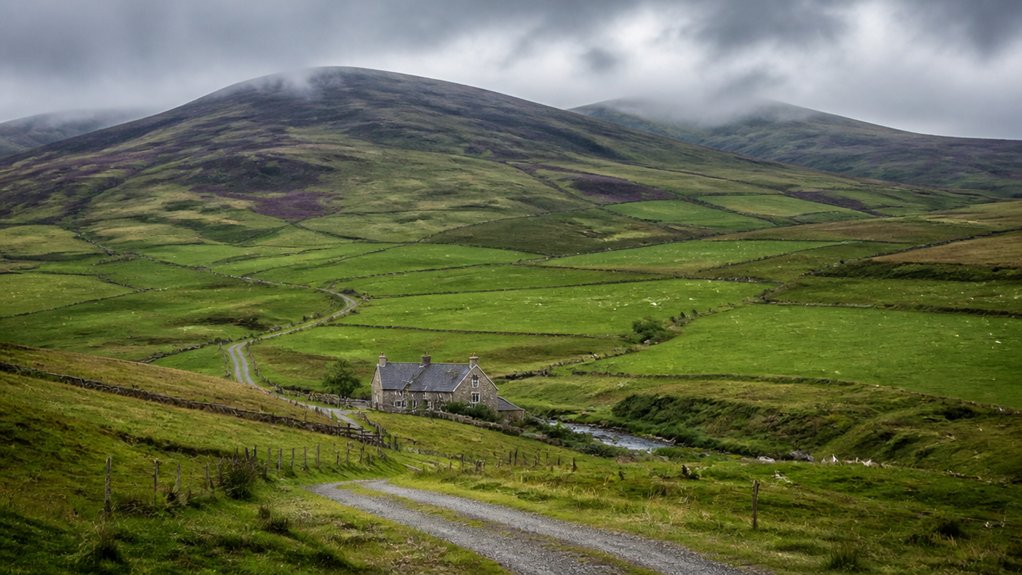
Before you fall for a “secluded” tag, verify remoteness the way Borders buyers do: by testing access, services, and sightlines, not postcode romance. Check the map for distance to local amenities you’ll actually use: a shop, fuel, GP, and mobile coverage. Ask for exact drive time to the nearest A-road and village, not “minutes away.”
On viewings, stand at the gate and scan: can you see neighbouring roofs, farm tracks, or a pylons line? Review satellite images for nearby sheds, forestry operations, or holiday parks that listings omit. Request title plans and enquire about shared drives, public rights of way, or sporting lets.
Finally, use farmhouse history: older steadings often sit in working landscapes, so verify current neighbours, stock movements, and access rights.
Roads, Weather, and Seasonal Booking Tips for Remote Stays
Although the Borders rarely feel “extreme,” remote lanes can turn from easy to awkward fast, so plan your stay around road standards, forecast patterns, and local service schedules rather than the calendar alone.
Check if the approach is single-track, if there’s a steep ford, and whether you’ll need winter tyres after October frosts.
Book shoulder-season if you want value, but confirm heating costs, wood supply, and bin-collection days, since hosts time changeovers around contractor routes.
In wetter spells, pick farmhouses with hardstanding parking and good mobile signal for updates.
If you’re coming for cultural festivals, reserve earlier and expect tighter minimum stays.
In quieter months, you’ll get better flexibility and more time to sample local cuisine in nearby towns.
Conclusion
If you want a truly remote Borders farmhouse, you’ll do best by matching the region to your tolerance for single-track roads, patchy signal, and winter closures. Scotland averages around 3 people per km² in rural areas, so real quiet is easy to find—but access is what separates “secluded” from “stranded.” You’ll book smarter by checking map pins, drive times to fuel and shops, and whether 4×4 or chains are recommended.